


 한국어
한국어 සිංහල
සිංහල Ελληνικά
 Français
 বাংলা
বাংলা O'zbek
 नेपाली
 سنڌي
سنڌي پښتو
پښتو Български
 简体中文
简体中文Do 3d press on nails cause any allergic reactions?
Jun 27, 2025
Leave a message
As a supplier of 3D press on nails, I've encountered numerous inquiries regarding the safety of these trendy nail enhancements, especially in relation to allergic reactions. In this blog post, I'll delve into the science behind potential allergic responses to 3D press on nails, the materials used in their production, and how to minimize risks.
Understanding Allergic Reactions
Allergic reactions occur when the immune system mistakenly identifies a foreign substance, known as an allergen, as harmful. When the body comes into contact with the allergen, it produces antibodies that trigger the release of chemicals such as histamine, leading to symptoms like itching, redness, swelling, and in severe cases, difficulty breathing. Allergies can develop over time, and individuals may become sensitive to substances they were previously tolerant of.
Materials Used in 3D Press On Nails
3D press on nails are typically made from a combination of materials, including acrylic, gel, resin, and adhesives. Each of these materials has the potential to cause an allergic reaction in some individuals.
Acrylic
Acrylic is a common material used in nail enhancements. It is a type of plastic that is durable and can be molded into various shapes and designs. However, some people may be allergic to the monomers used in acrylic products. Monomers are small molecules that link together to form polymers, and they can release fumes that may irritate the skin, eyes, and respiratory system. Symptoms of an acrylic allergy may include itching, redness, swelling, and blistering around the nails.


Gel
Gel nails are another popular option for 3D press on nails. Gel is a type of resin that is cured under a UV or LED light. Like acrylic, gel nails can cause allergic reactions in some individuals. The chemicals used in gel products, such as methacrylate monomers, can trigger an immune response in sensitive people. Symptoms of a gel nail allergy may include contact dermatitis, which is characterized by redness, itching, and a rash on the skin around the nails.
Resin
Resin is a broad term that encompasses a variety of materials, including epoxy resin and polyester resin. Resins are often used to create the 3D elements on press on nails, such as flowers, beads, and rhinestones. Some people may be allergic to the chemicals used in resin products, such as hardeners and catalysts. Symptoms of a resin allergy may include skin irritation, itching, and swelling.
Adhesives
Adhesives are used to attach the press on nails to the natural nails. There are several types of adhesives available, including glue, tape, and adhesive tabs. Some people may be allergic to the ingredients in these adhesives, such as cyanoacrylate, which is commonly used in nail glue. Symptoms of an adhesive allergy may include redness, itching, and a burning sensation on the skin around the nails.
Factors That Increase the Risk of Allergic Reactions
Several factors can increase the risk of developing an allergic reaction to 3D press on nails. These include:
Pre-existing Allergies
Individuals who have a history of allergies, such as eczema, asthma, or hay fever, may be more likely to develop an allergic reaction to 3D press on nails. Their immune systems may be more sensitive to foreign substances, making them more prone to allergic responses.
Prolonged Exposure
The longer the nails are exposed to the materials used in 3D press on nails, the greater the risk of developing an allergic reaction. Wearing press on nails for extended periods of time, or using them frequently, can increase the likelihood of skin irritation and sensitization.
Poor Quality Products
Low-quality 3D press on nails may contain higher levels of chemicals and impurities, which can increase the risk of allergic reactions. It's important to choose products from reputable suppliers who use high-quality materials and follow strict manufacturing standards.
Improper Application
Applying 3D press on nails incorrectly can also increase the risk of allergic reactions. For example, if the nails are not properly cleaned and prepped before application, the adhesive may not adhere properly, leading to skin irritation. Additionally, using too much adhesive or leaving it on for too long can cause the skin to become irritated.
How to Minimize the Risk of Allergic Reactions
While it's impossible to completely eliminate the risk of allergic reactions, there are several steps you can take to minimize it.
Patch Test
Before applying 3D press on nails, it's important to perform a patch test on a small area of skin, such as the inside of your wrist. Apply a small amount of the adhesive or product to the skin and wait 24 to 48 hours to see if any signs of an allergic reaction develop, such as redness, itching, or swelling. If you experience any of these symptoms, do not use the product.
Choose High-Quality Products
As mentioned earlier, choosing high-quality 3D press on nails from reputable suppliers can reduce the risk of allergic reactions. Look for products that are made from hypoallergenic materials and have been tested for safety. Avoid products that contain known allergens, such as formaldehyde, toluene, and dibutyl phthalate.
Follow Proper Application and Removal Procedures
Proper application and removal of 3D press on nails are essential to minimize the risk of allergic reactions. Follow the instructions provided by the manufacturer carefully, and make sure to clean and prep your nails before application. When removing the nails, use a gentle remover and avoid pulling or prying them off, as this can damage the natural nails and cause skin irritation.
Take Breaks
Giving your nails a break from 3D press on nails can help prevent allergic reactions. Avoid wearing press on nails continuously for long periods of time, and allow your nails to breathe in between applications. This can help reduce the risk of skin irritation and sensitization.
Our 3D Press On Nails
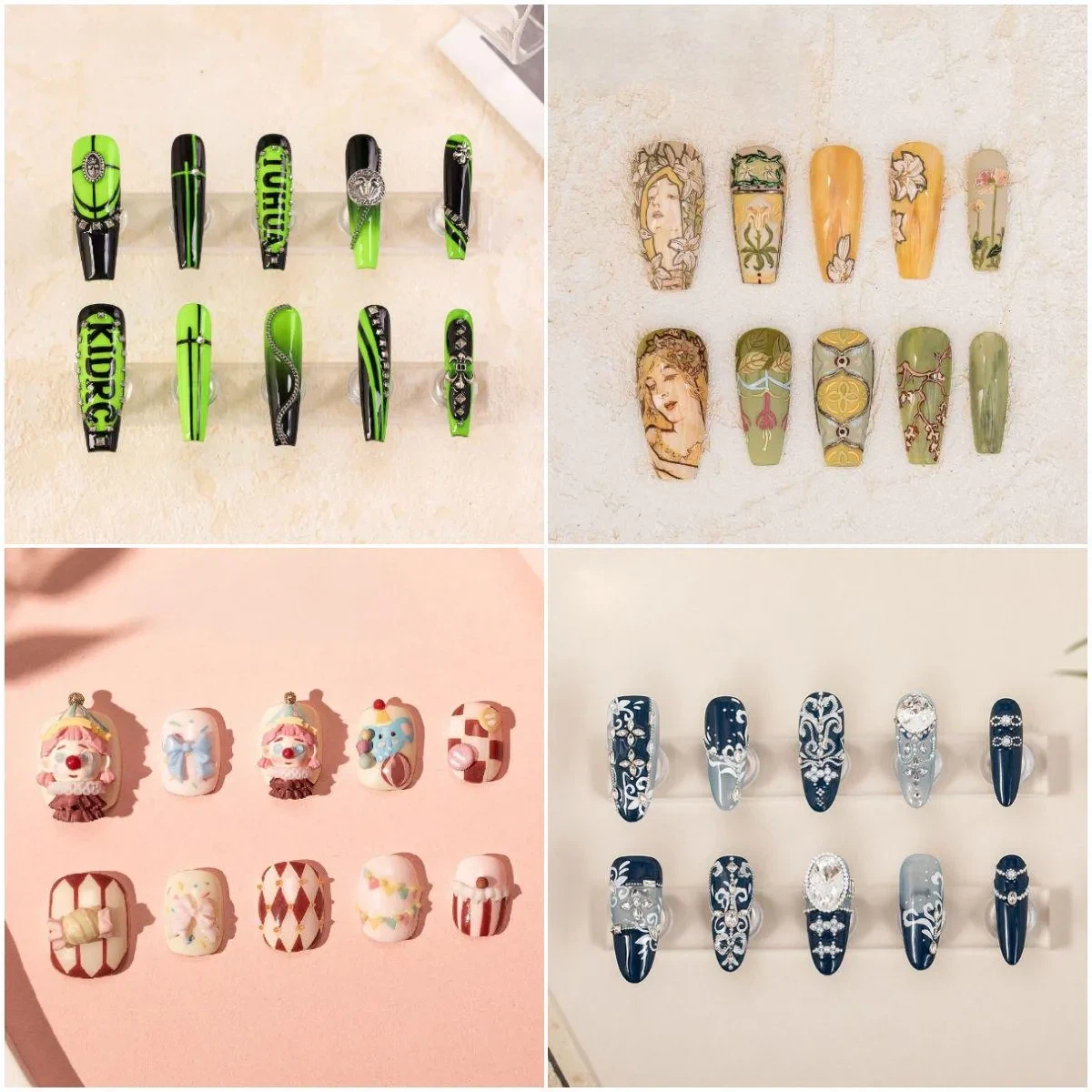
At our company, we understand the importance of providing safe and high-quality 3D press on nails. We use only the finest materials and follow strict manufacturing standards to ensure that our products are hypoallergenic and safe for use. Our nails are available in a wide range of styles and designs, including Rainbow Color-Geometrical Shape-Ballerina-Press On Nails, Colorful Jelly Beans-Gold-Metallic-Long Ballerina--Press On Nails, and Colors Of Rainbow-Hand Painted-Long Ballerina-Press On Nails.
We also recommend that our customers perform a patch test before using our products to ensure that they do not have an allergic reaction. If you have any questions or concerns about our 3D press on nails, please do not hesitate to contact us.
Conclusion
While 3D press on nails can be a fun and convenient way to enhance your nails, it's important to be aware of the potential for allergic reactions. By understanding the materials used in 3D press on nails, the factors that increase the risk of allergies, and how to minimize these risks, you can enjoy beautiful nails without compromising your health.
If you're interested in purchasing our 3D press on nails, we invite you to contact us to discuss your needs and preferences. We're committed to providing our customers with the best possible products and services, and we look forward to working with you.
References
- American Academy of Dermatology. (n.d.). Nail allergies. Retrieved from [Website URL]
- Food and Drug Administration. (n.d.). Cosmetics: Nail products. Retrieved from [Website URL]
- National Institute of Environmental Health Sciences. (n.d.). Allergies. Retrieved from [Website URL]